

Partners in transplant
When and how should patients access kidney transplantation?

Educate
All patients with stage 4 or 5 chronic kidney disease (CKD) (glomerular filtration rate [GFR] <30 mL/min/1.73 m2) who are expected to reach end-stage renal disease (ESRD) should be informed of, educated about, and considered for kidney transplantation1

Refer for evaluation
Refer potential kidney transplant candidates for evaluation at least 6 to 12 months before anticipated dialysis initiation to facilitate identification/work-up of living donors and plan for possible preemptive transplantation1

Transplant
Preemptive transplantation with a living kidney donor is the preferred treatment for transplant-eligible CKD patients1

KDIGO, Kidney Disease: Improving Global Outcomes.
Downloadable resource
Explore the KDIGO Clinical Practice Guideline on the Evaluation and Management of Candidates for Kidney Transplantation.

What is the impact of preemptive kidney transplantation (PKT)?
PKT has been associated with lower healthcare utilization and $539K to $560K lower cumulative healthcare costs vs maintenance dialysis over 36 months across Medicare Advantage and commercial populations2
CKD AND ESRD ARE PUTTING INCREASING STRAIN ON PATIENTS AND THE HEALTHCARE SYSTEM
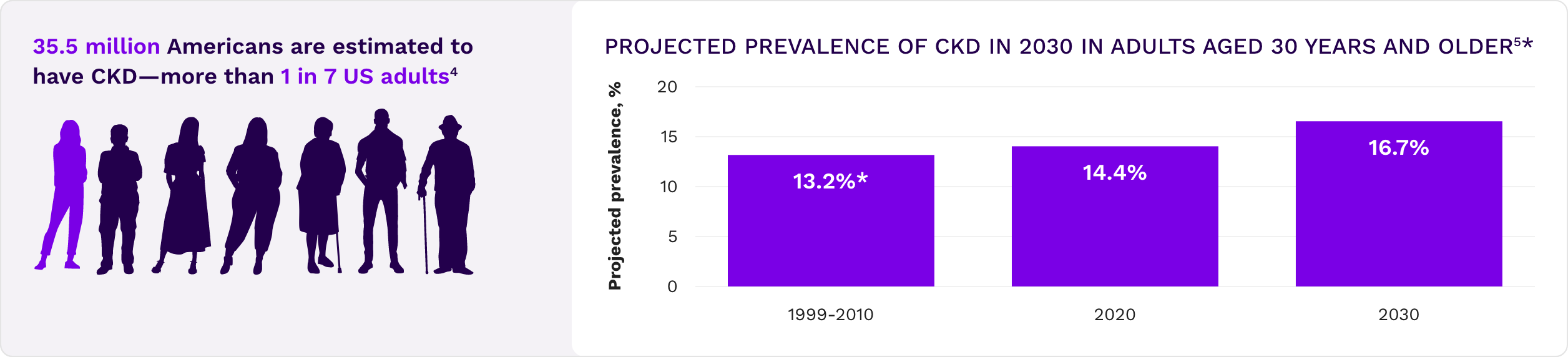
*Simulation sample based on data from the National Health and Nutrition Examination Survey (NHANES). NHANES contains insufficient data to accurately estimate the prevalence of individuals with stage 5 CKD.
,

When do most kidney transplant patients begin the transplant process?

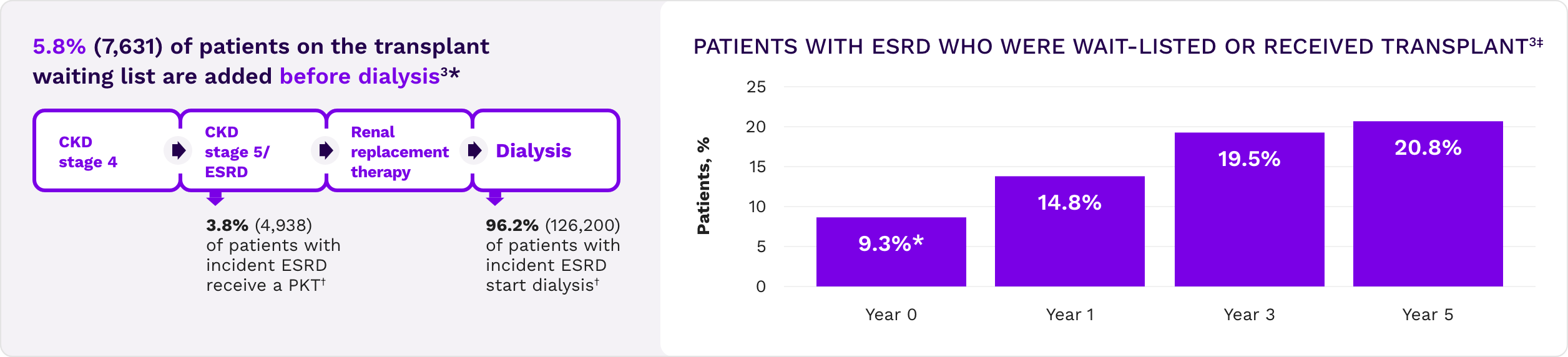
OPTN, Organ Procurement and Transplantation Network; USRDS, United States Renal Data System.
*Patients with incident ESRD in 2024, USRDS ESRD and OPTN waiting list history.
†Incident ESRD patients in 2023, USRDS ESRD.
‡Includes patients followed from the date of diagnosis of ESRD to the earliest wait-listing, transplant, death, or the end of the designated time period.
Can starting the patient’s transplant journey earlier help lower long-term healthcare costs?
Increasing access to pre-dialysis transplants may benefit you and your patients
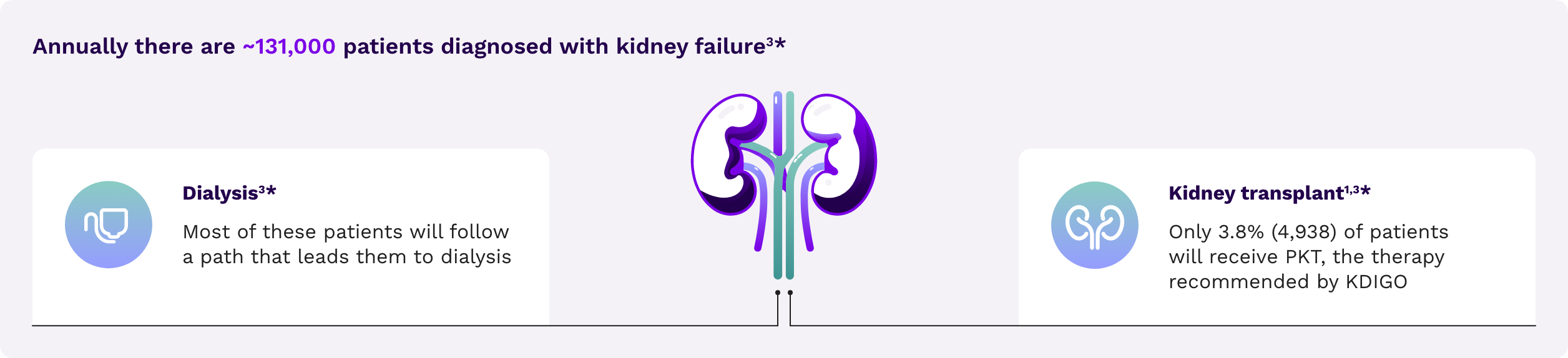
*Incident cases of ESRD in 2023, USRDS.
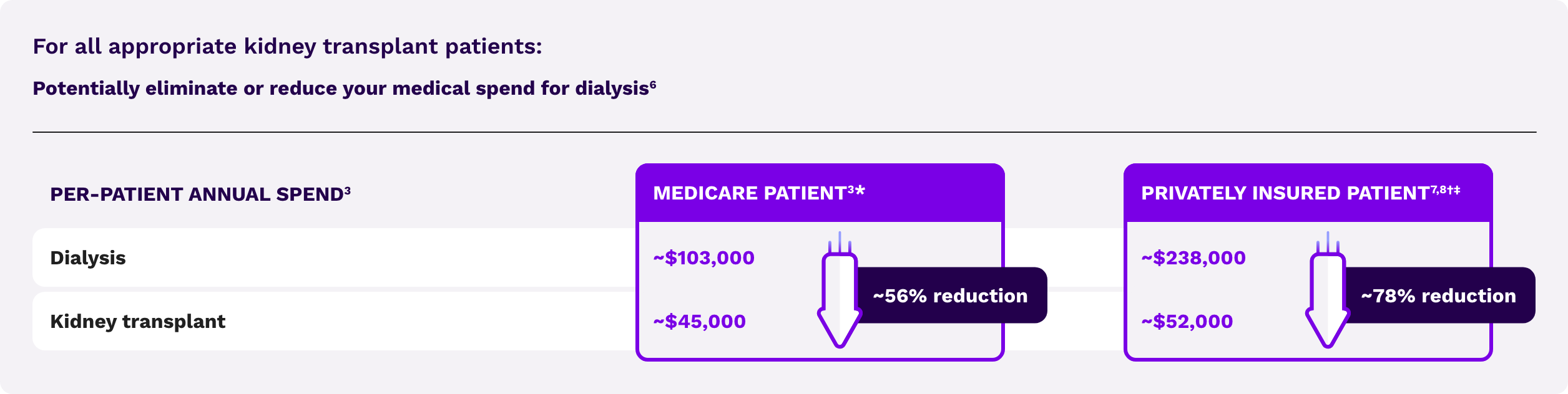
*Inflation-adjusted per-patient-per-year (PPPY) cost for 2023. Cost for dialysis represents hemodialysis.
†Included medical claims of 12,392 patients from 2012 to 2019.
‡Included 18,453 cases (9,962 kidney, 4,831 liver, 1,638 heart, 1,468 lung, and 554 pancreas) with case effective dates between January 1, 2010, and April 30, 2014, and claims paid through September 30, 2014.
,
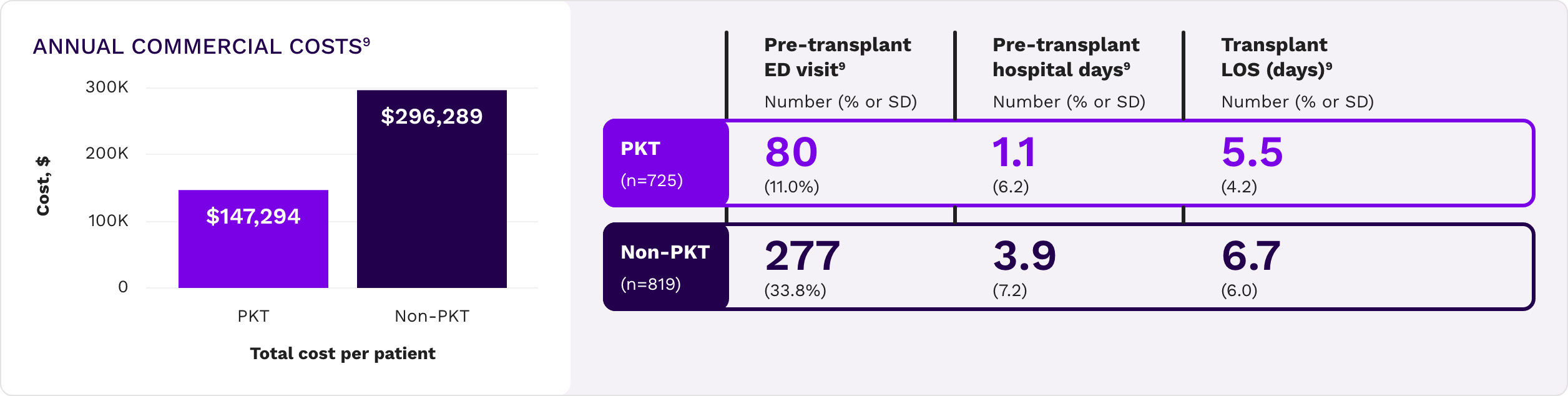

ED, emergency department; LOS, length of stay; SD, standard deviation.
Milliman estimates annual kidney transplant utilization and PMPM costs in the United States10*
| PATIENT POPULATION | Annual kidney transplant utilization per 1M members | Estimated costs PMPM |
| Patients aged <65 years | 75.85 | $2.82 |
| Patients aged ≥65 years | 115.27 | $4.29 |
HRSA, Health Resources and Services Administration; PMPM, per member per month.
*All data are estimated and based on OPTN, HRSA, and Milliman proprietary data.
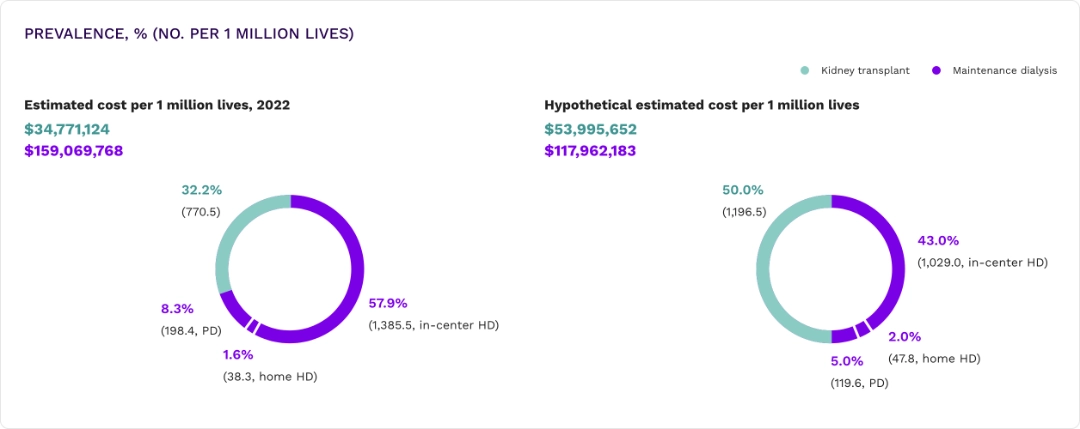
FFS, fee for service; HD, hemodialysis; PD, peritoneal dialysis.
*In 2022, there were 2,393 ESRD beneficiaries per 1 million lives (prevalence rate from USRDS ESRD database). Costs were based on the PPPY Medicare FFS spending for ESRD beneficiaries in 2022 ($99,369 for in-center HD; $113,890 for home HD; $85,845 for peritoneal dialysis; $45,128 for transplant). The estimated cost per 1 million lives for dialysis was calculated using prevalence percentages of in-center HD (57.9%), home HD (1.6%), and peritoneal dialysis (8.3%). The calculated costs per 1 million lives for in-center HD, home HD, and peritoneal dialysis were then added to estimate the total dialysis cost per 1 million lives. For the hypothetical case, the prevalence percentage for dialysis was assumed to be 43% for in-center HD, 2% for home HD, and 5% for peritoneal dialysis, and the prevalence percentage for transplant was assumed to be 50%. The estimated annual savings were based on the difference between 2022 actual costs and a hypothetical plan, with savings calculated per 1 million lives.
Increasing access to kidney transplantation in appropriate patients may be associated with lower annual costs
In a hypothetical scenario, increased transplantation access for appropriate patients with ESRD may offer up to $21,883,057 per 1 million lives in annual savings.11*
Can transplant potentially eliminate or reduce costs compared with dialysis?
A study demonstrated that despite the initial high cost associated with the kidney transplant, PKT in appropriate patients may lead to lower healthcare costs over time compared with maintenance dialysis.2
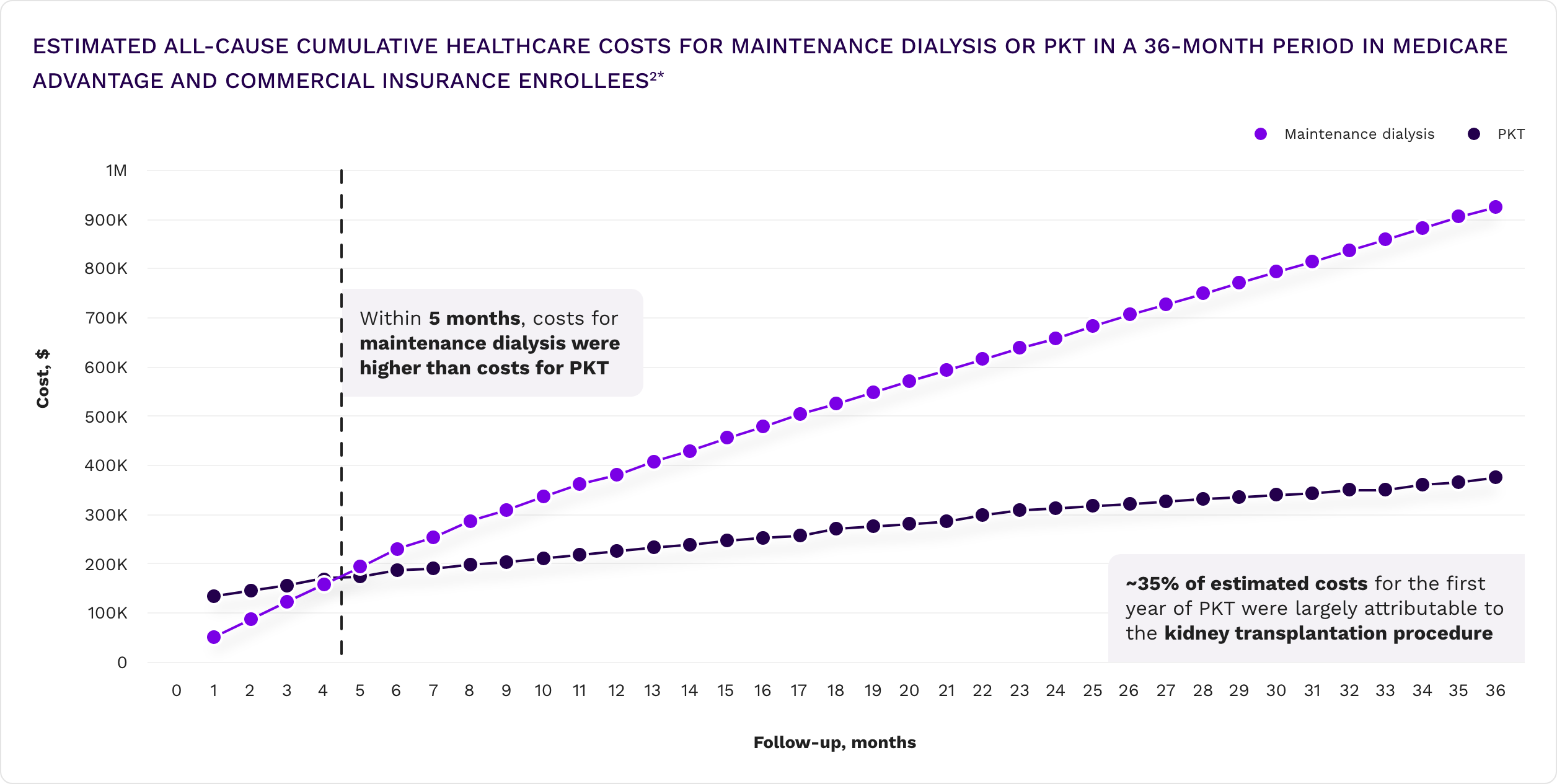

36-MONTH ALL-CAUSE HEALTHCARE COSTS FOR MEDICARE ADVANTAGE PLUS COMMERCIAL INSURANCE ENROLLEES2* |
|
| Maintenance dialysis | $926,402 |
| PKT | $366,872 |
| Difference | $559,530 |
36-MONTH ALL-CAUSE HEALTHCARE COSTS FOR MEDICARE ADVANTAGE ENROLLEES ONLY2* |
|
| Maintenance dialysis | $943,841 |
| PKT | $404,876 |
| Difference | $538,965 |
*Data shown are cumulative estimates. Based on a retrospective, observational cohort study using data on patients with ESRD from Optum Clinformatics Data Mart (2012-2021). All-cause medical and pharmacy costs were compared between patients who received PKT and those who received maintenance dialysis. Of patients who survived the 12-month follow-up period, 1,530 received PKT and 14,763 received dialysis. Of patients who survived the 36-month follow-up period, 551 received PKT and 6,199 received dialysis.
Patients added to the waiting list before dialysis are more likely to receive a living donor transplant
Candidates are less likely to lose their top-tier EPTS status when they are preemptively wait-listed12

From 2015-2017, only 1 in 5 kidney transplant candidates with top-tier EPTS scores were preemptively wait-listed for transplant

Candidates with a top 20% EPTS status have preferential access to decreased donor kidney offers with the lowest cumulative risk factors

Only 37% of patients with top 20% EPTS status were added to the waiting list within 3 years of dialysis initiation

Calculate your patient’s Estimated Post-Transplant Survival (EPTS) score to identify recipients who may benefit most from rapid waiting-list placement and transplantation.12
Education at CKD stage 4 improves patient access to kidney transplantation
A study evaluated kidney transplant outcomes in patients with ESRD. The analysis compared outcomes between patients who received kidney disease education (KDE) and those who did not. Patients who received KDE were more likely to2*:


CI, confidence interval; HR, hazard ratio.
*Retrospective cohort study of patients aged ≥18 years used data from the Medicare-linked USRDS (2009-2019). Of all eligible patients with ESRD, 1.5% (7,838 of 519,902) received KDE; most patients (85.6%) had stage 4 CKD with comorbidities.
Living donor transplant doubles the 5-year survival rate compared with hemodialysis3

CKD/ESRD patient journey3
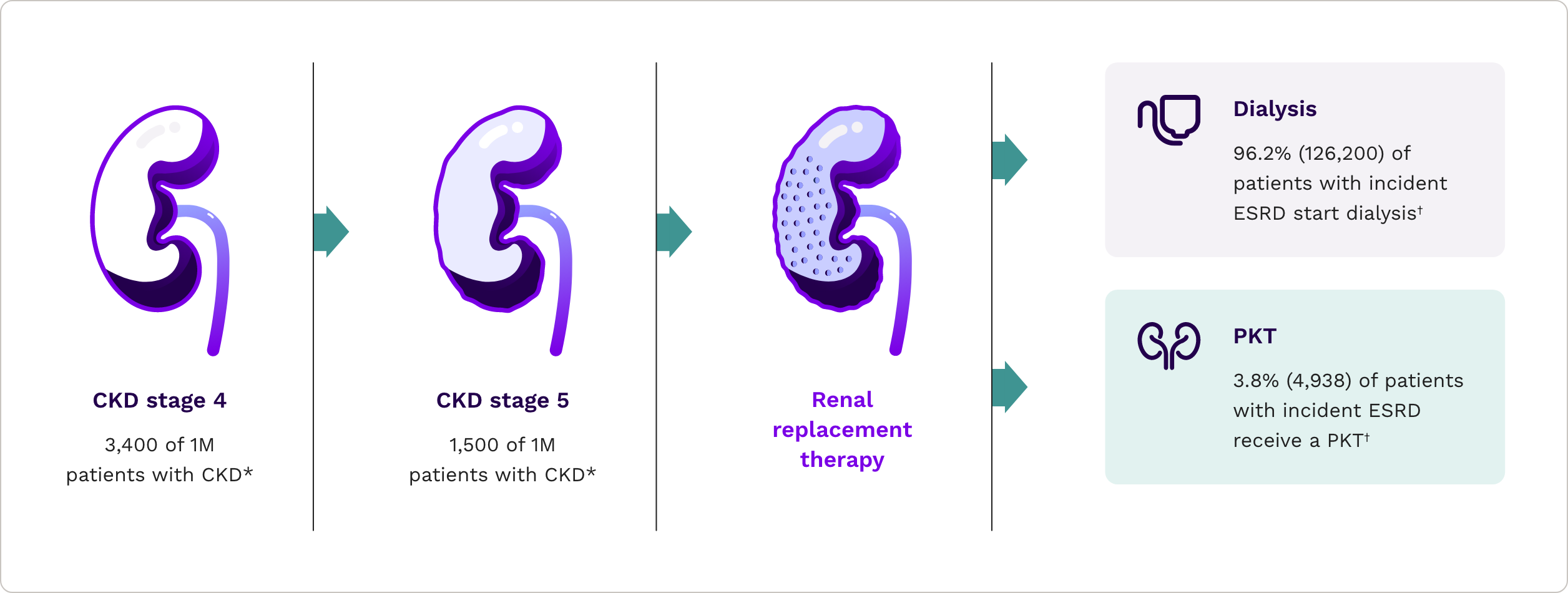
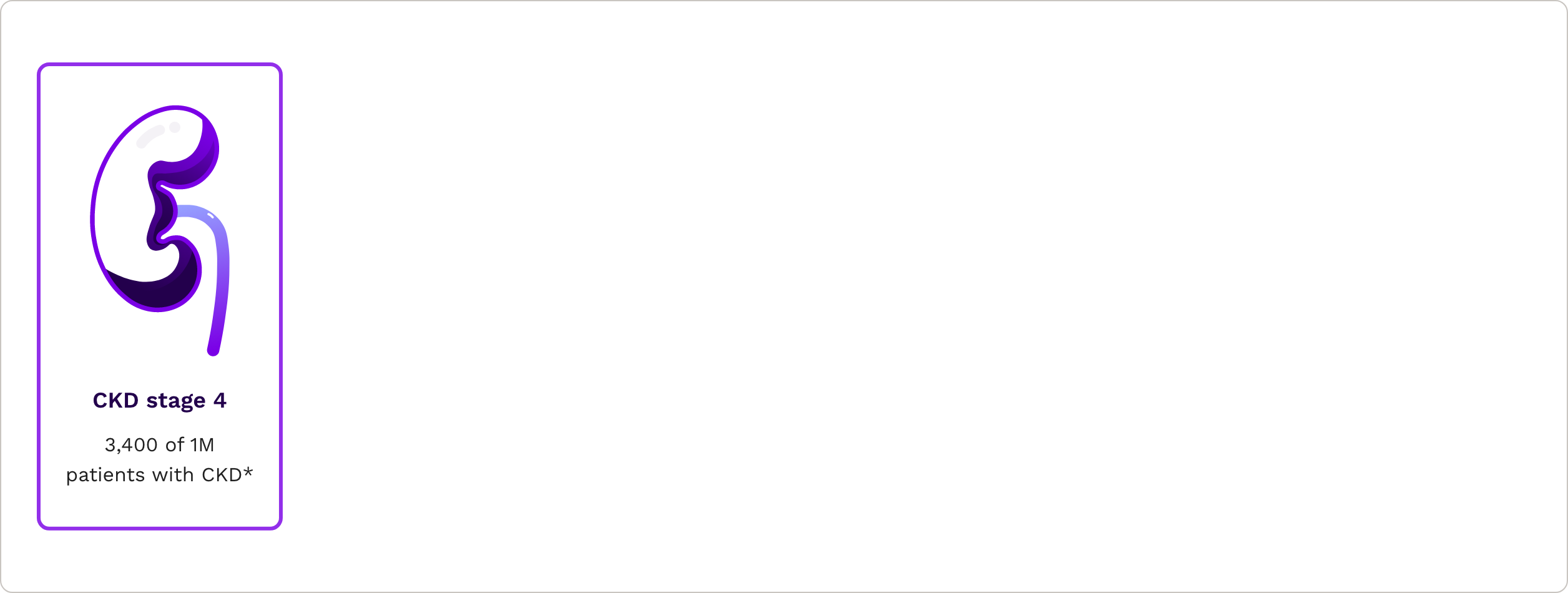
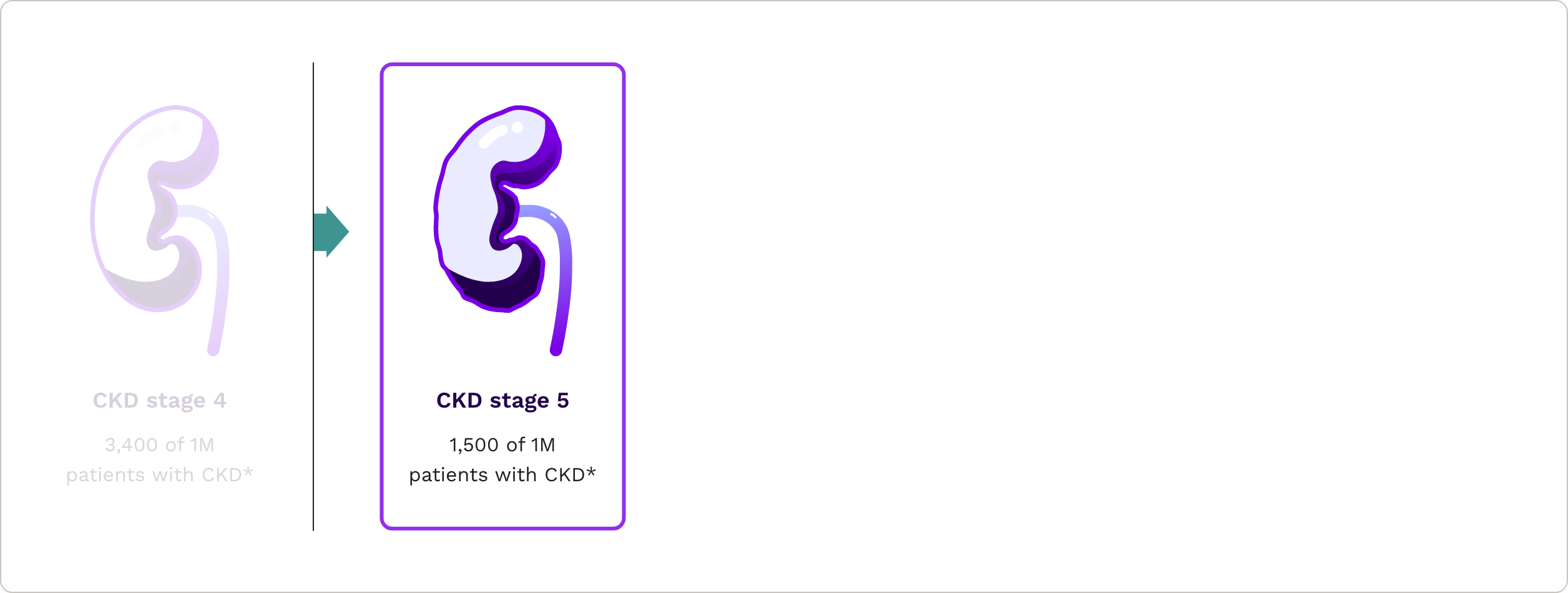
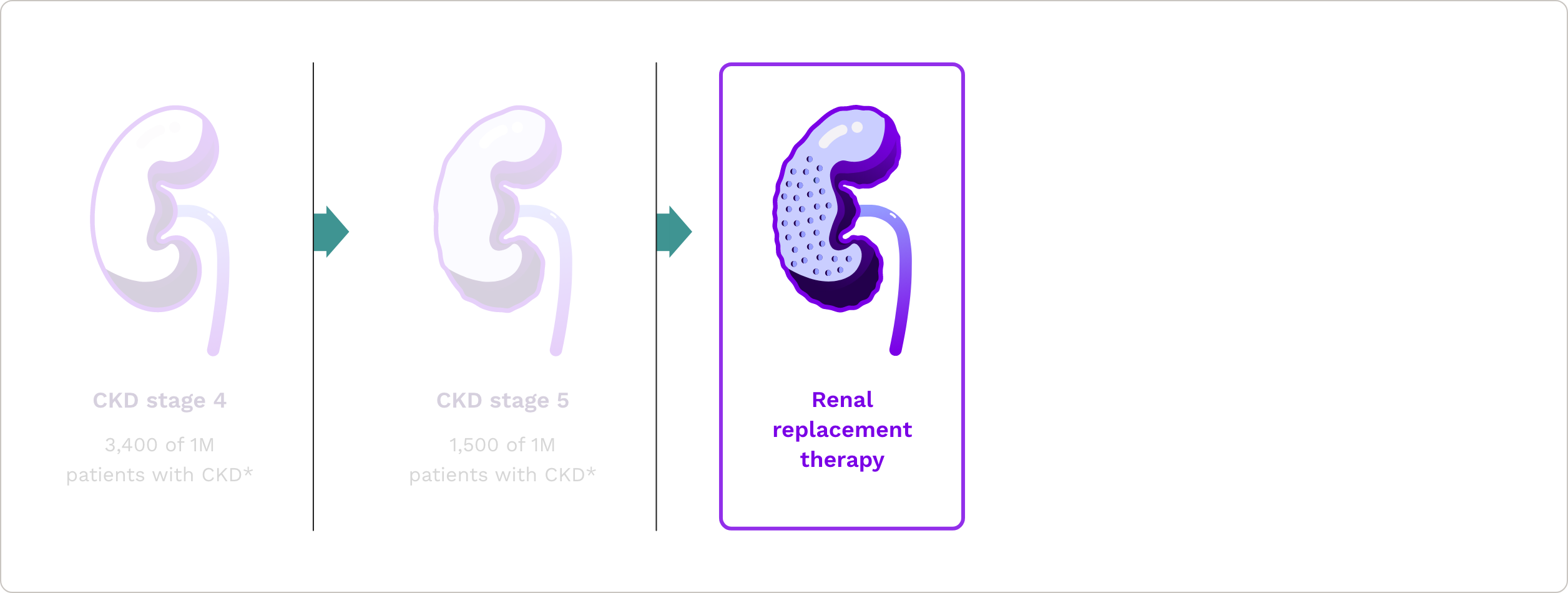
*Based on prevalence of CKD in 2020.
†Incident cases of ESRD in 2023, USRDS.


Downloadable resource
View the Milliman infographic on kidney transplant procedures.
Additional resources to support appropriate patients on the journey to living donor PKT

American Society of Transplantation
Learn more about the tools available that help potential living donors make an informed decision about donation.
.

References: 1. Chadban SJ, Ahn C, Axelrod DA, et al. KDIGO clinical practice guideline on the evaluation and management of candidates for kidney transplantation. Transplantation. 2020;104(4)(suppl 1):S11-S103. doi:10.1097/TP.0000000000003136 2. Data on file. Sanofi; 2025. 3. United States Renal Data System. 2025 USRDS Annual Data Report: Epidemiology of Kidney Disease in the United States. National Institutes of Health, National Institute of Diabetes and Digestive and Kidney Diseases; 2025. Accessed May 11, 2026. https://usrds-adr.niddk.nih.gov/2025 4. Centers for Disease Control and Prevention. Chronic Kidney Disease in the United States. US Department of Health and Human Services, Centers for Disease Control and Prevention. March 30, 2026. Accessed April 13, 2026. https://www.cdc.gov/kidney-disease/media/pdfs/CKD-Factsheet-H.pdf 5. Hoerger TJ, Simpson SA, Yarnoff BO, et al. The future burden of CKD in the United States: a simulation model for the CDC CKD Initiative. Am J Kidney Dis. 2015;65(3):403-411. doi:10.1053/j.ajkd.2014.09.023 6. Optum. Kidney Solutions: Preemptive Transplants Rates and Cost Savings. Optum Inc; August 2021. 7. League RJ, Eliason P, McDevitt RC, Roberts JW, Wong H. Assessment of spending for patients initiating dialysis care. JAMA Netw Open. 2022;5(10):e2239131. doi:10.1001/jamanetworkopen.2022.39131 8. Irwin FD, Wu C, Bannister WM, et al. A commercial transplant network’s perspective of value in solid organ transplantation: strategizing for value in transplant care. Transplant Rev (Orlando). 2016;30(2):71-76. doi:10.1016/j.trre.2015.11.002 9. Dean P, Heien H, Swanson K, et al. The cost savings of preemptive kidney transplantation. Abstract presented at: 2018 American Transplant Congress; June 2-6, 2018; Seattle, WA. Abstract 577. 10. Ortner N, Holzer H. 2025 U.S. organ and tissue transplants: Estimated costs and utilization, emerging issues, and solutions. Milliman. February 13, 2025. Accessed May 21, 2026. https://www.milliman.com/en/insight/2025-us-organ-and-tissue-transplants-costs-utilization 11. United States Renal Data System. 2024 USRDS Annual Data Report: Epidemiology of Kidney Disease in the United States. National Institutes of Health, National Institute of Diabetes and Digestive and Kidney Diseases; 2024. Accessed April 13, 2026. https://usrds-adr.niddk.nih.gov/2024 12. Schold JD, Huml AM, Poggio ED, et al. Patients with high priority for kidney transplant who are not given expedited placement on the transplant waiting list represent lost opportunities. J Am Soc Nephrol. 2021;32(7):1733-1746. doi:10.1681/ASN.2020081146 13. Helmick RA, Jay CL, Price BA, Dean PG, Stegall MD. Identifying barriers to preemptive kidney transplantation in a living donor transplant cohort. Transplant Direct. 2018;4(4):e356. doi:10.1097/TXD.0000000000000773
This site is intended for US payers only.
© 2026 Sanofi. All rights reserved.
Leave site modal

You are about to leave SanofiMarketAccess website.
Sanofi does not review or control the content of non-Sanofi websites.