
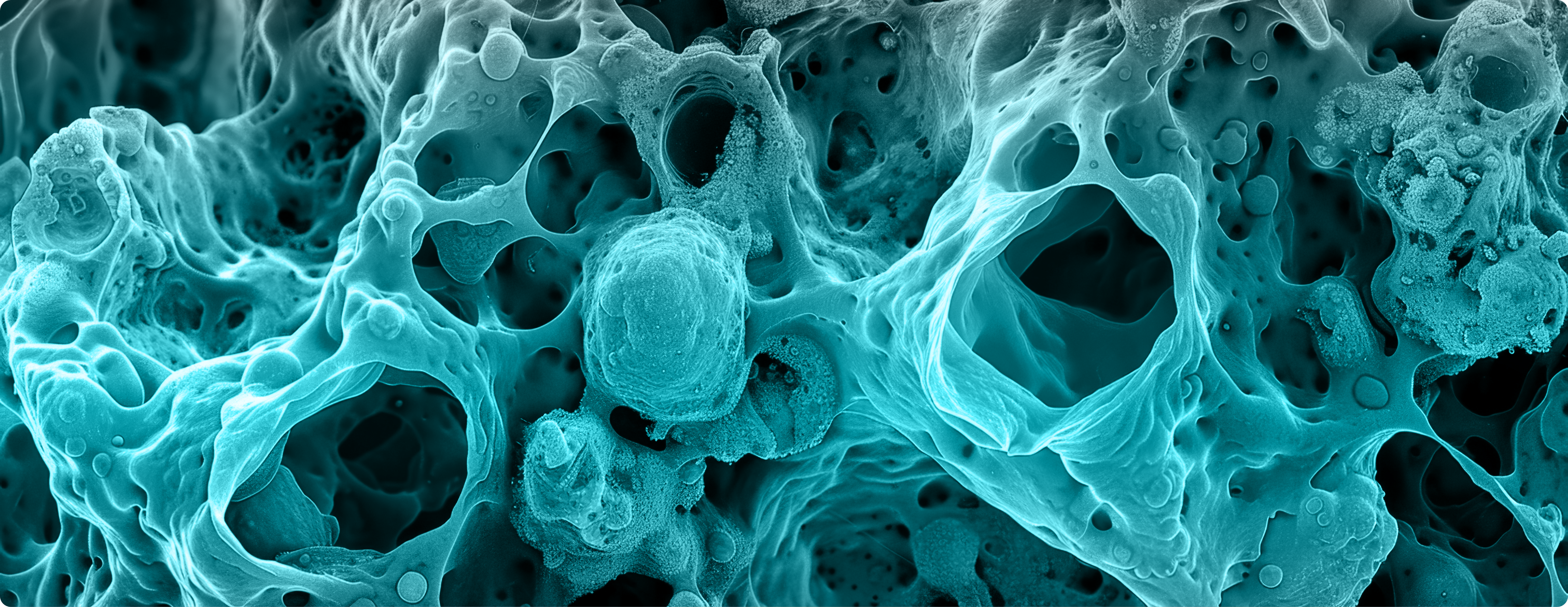
Understanding Gaucher disease is the foundation for evaluating the clinical and economic impact of treatment
Select a card below to explore Cerezyme information by topic
,
Explore the clinical burden of Gaucher disease
What is Gaucher disease?
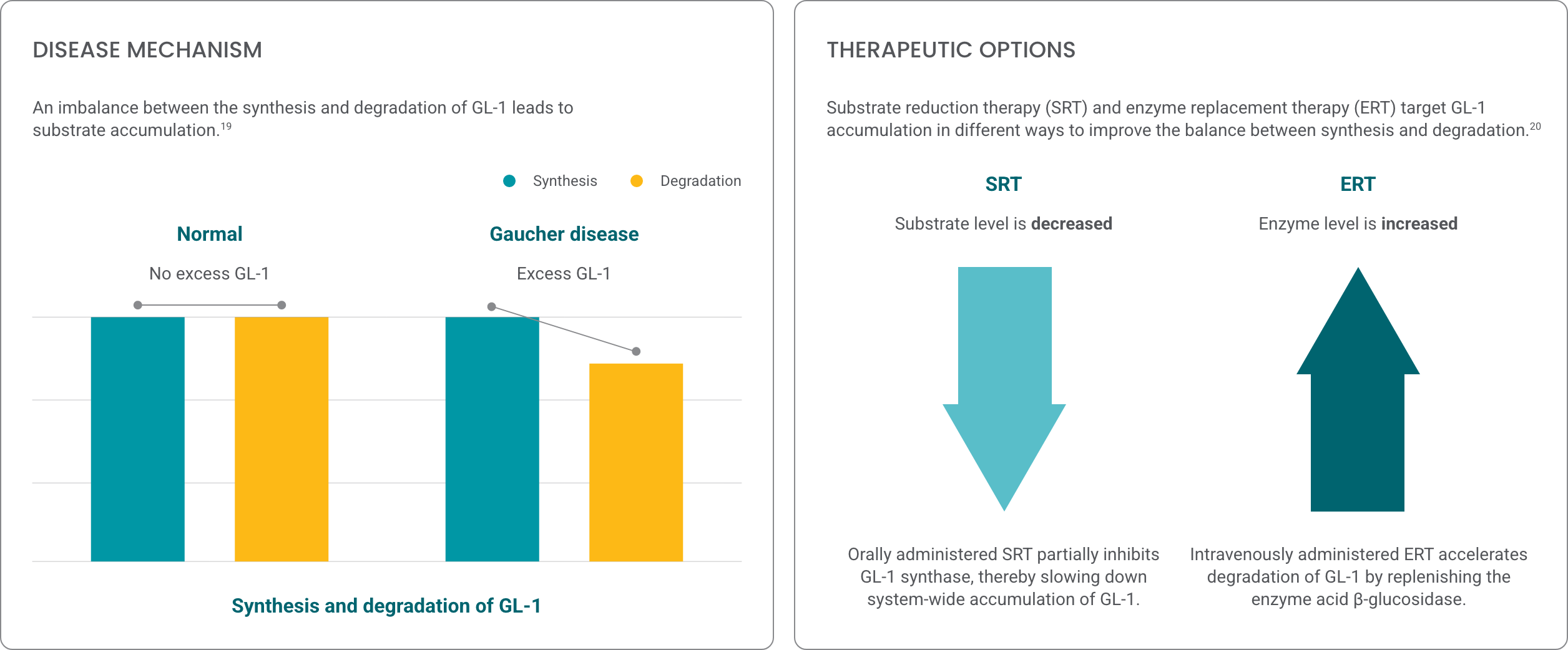
Gaucher disease is an inherited condition characterized by accumulation of the lipid glucocerebroside (GL-1), which results in multiorgan dysfunction.1

General prevalence is believed to be ~1.8 per 100,000 in the US population.2
Gaucher disease type 1 (GD1) is the most common of 3 Gaucher disease types,* representing 90% of all diagnosed patients in the United States.3
Gaucher disease type 3 (GD3) makes up ~5% of all diagnosed patients in the United States.4
Gaucher disease is more common in certain ethnic groups.1,4-6
Gaucher
Although Gaucher disease type 1 is considered a rare disease, it occurs with greater frequency among those of Ashkenazi Jewish descent1



*Gaucher disease types 2 and 3 have primary neuronopathic components not present in GD1.
Disease pathology
Gaucher disease is caused by pathogenic variants in the GBA1 gene. GBA1 pathogenic variants result in an enzyme deficiency that inhibits the breakdown of GL-1.5*
*Glucocerebroside (GL-1) is also known as “glucosylceramide.”3
†Some patients can be asymptomatic.
GL-1 accumulates in cells, primarily tissue macrophages, that exist in various organ systems.7 Gaucher disease varies widely in range and severity of symptoms,† age of symptom onset, and rate of progression.8
Multisystemic manifestations
Symptoms vary from patient to patient, but common manifestations of Gaucher disease include10,11:
Systemic symptoms
May include hepatosplenomegaly and bone pain.

Hematologic symptoms
May include anemia and thrombocytopenia.

Neurologic burden
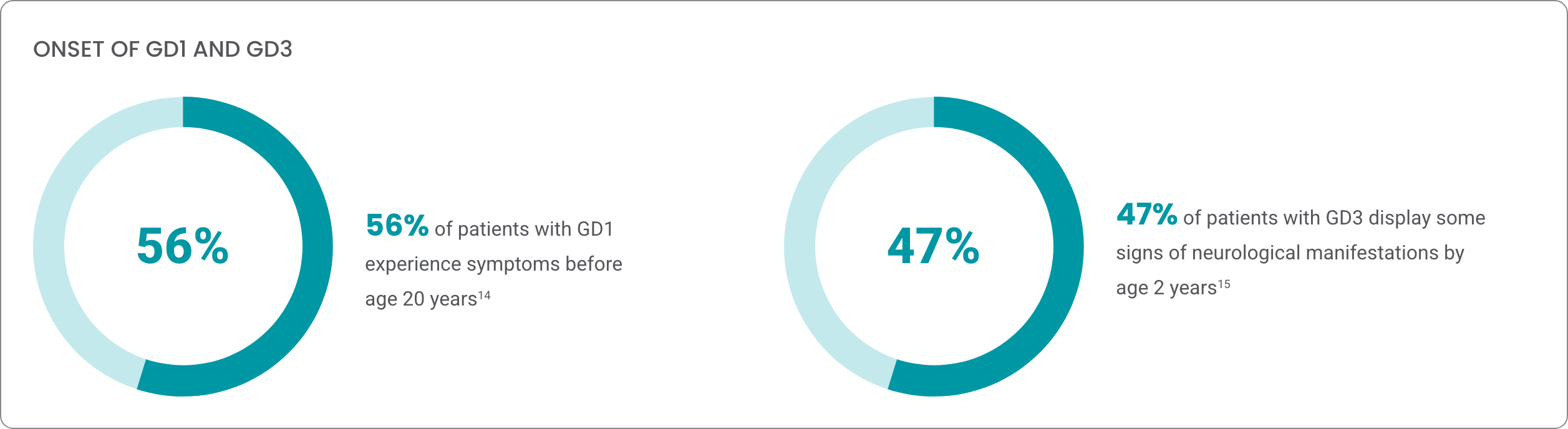
Specific to neuronopathic Gaucher disease, including GD3, starting in childhood.a
aCerezyme is approved for the non-central nervous system (CNS) manifestations of GD3.
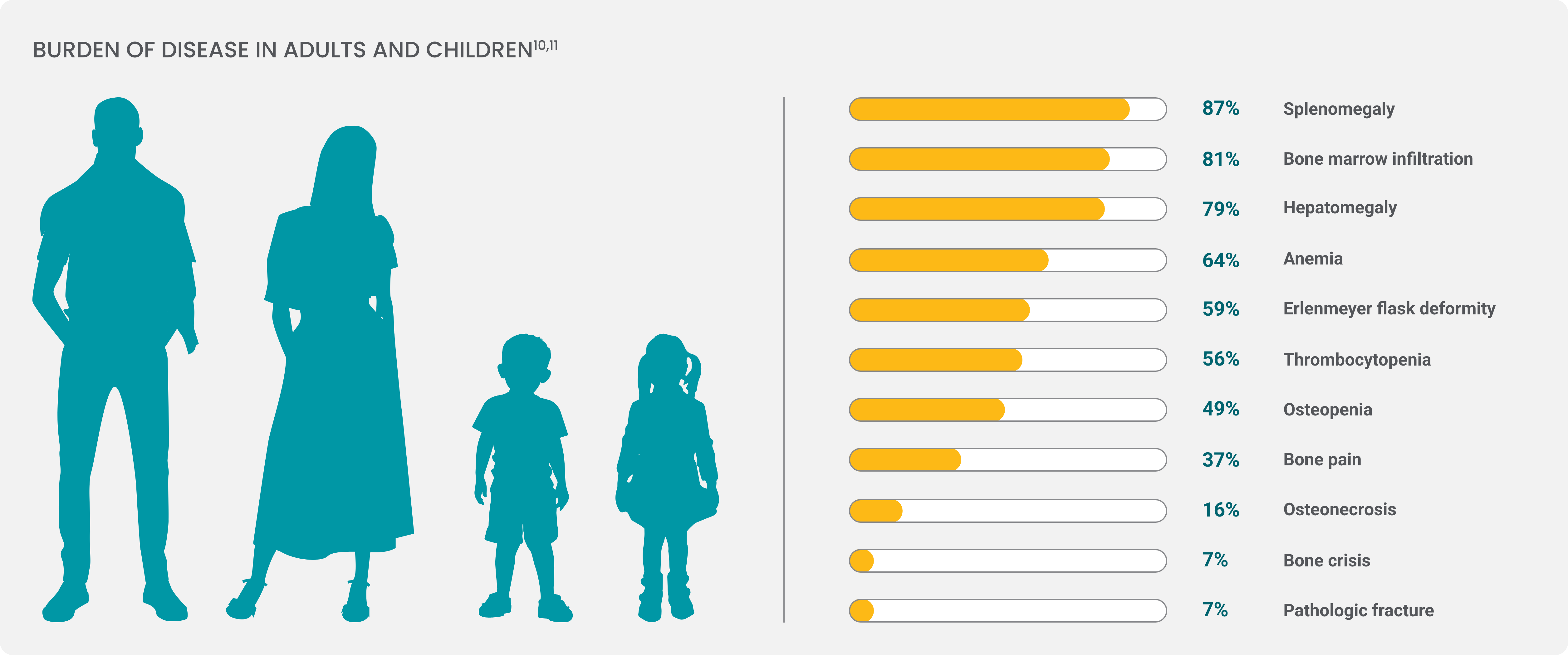
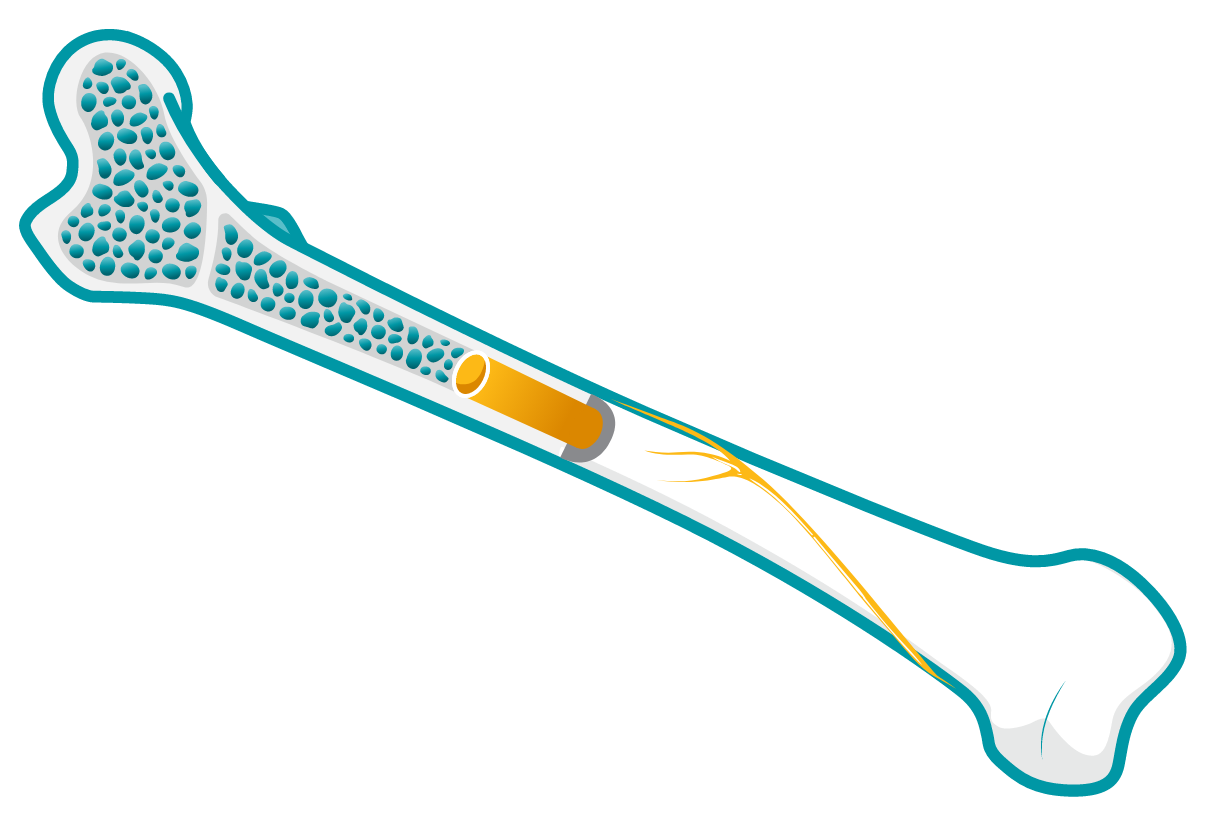
Hematologic and visceral complications can be life-threatening, but bone manifestations often result in the greatest morbidity and long-term disability.3,13,16
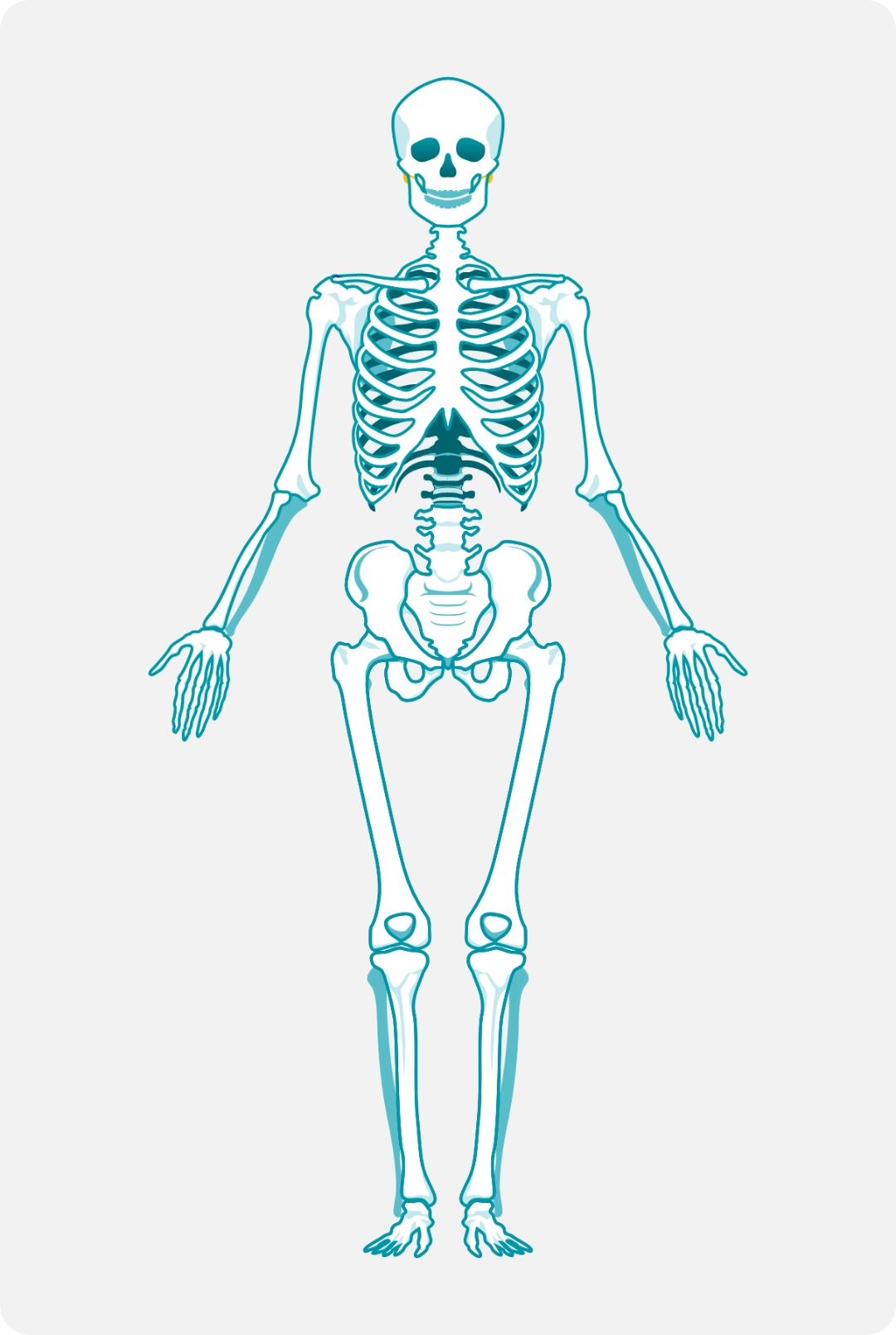
82% of patients show radiologic evidence of bone disease.
37% of patients reported chronic bone pain in a Gaucher Registry analysis.
Long-range outcomes may include growth delay in pediatric patients and markedly reduced quality of life.
The consequences of long-term disease progression may be mitigated by timely diagnosis and treatment.1,9,17,18

Healthcare providers test for Gaucher disease using an enzyme assay to determine acid β-glucosidase deficiency.

Genetic testing may be used to confirm diagnosis or to determine if a family member or a prospective parent is a carrier.

Early intervention can be key to potentially avoiding severe, irreversible bone damage and other organ complications.
In a disease as variable as Gaucher disease, physicians require multiple options to address a variety of patient treatment goals
.
Q: How is GD3 different from GD1?
A: Along the phenotypic spectrum of Gaucher disease, there are more similarities than differences between the subtypes. Both present heterogeneously, with a long list of potential systemic implications, including hepatosplenomegaly, anemia, thrombocytopenia, and bone disease, including bone pain. The key distinguishing feature is that GD3 presents with neurological manifestations such as supranuclear gaze palsy, cerebellar symptoms, and ataxia, while GD1 has little to no primary neurological involvement. GD3 has a variable age of onset for both CNS and non-CNS symptoms. Neurologic manifestations may appear at less than age 2 years in approximately half of all cases. Conversely, neurological manifestations may also occur several years after visceral symptoms, making it challenging to differentiate between GD1 and GD3.
Q: Are there specific diagnostic considerations for GD3 vs GD1?
A: The diagnostic journey for patients with GD1 and GD3 is very similar. However, there is one key distinguishing feature that differentiates GD3 from GD1, which is that GD3 presents with neurological manifestations such as supranuclear gaze palsy, cerebellar symptoms, and ataxia. However, in some cases visceral symptoms of GD3 present years before neurological manifestations, making accurate diagnosis a challenge for even experienced physicians.
.

References: 1. Mistry PK, Cappellini MD, Lukina E, et al. A reappraisal of Gaucher disease—diagnosis and disease management algorithms. Am J Hematol. 2011;86(1):110-115. doi:10.1002/ajh.21888 2. Rossi C, Ferrante R, Valentinuzzi S, et al. Noninvasive DBS-based approaches to assist clinical diagnosis and treatment monitoring of Gaucher disease. Biomedicines. 2023;11(10):2672. doi:10.3390/biomedicines11102672 3. Pastores GM, Weinreb NJ, Aerts H, et al. Therapeutic goals in the treatment of Gaucher disease. Semin Hematol. 2004;41(suppl 5):4-14. doi:10.1053/j.seminhematol.2004.07.009 4. Rosenbloom BE, Weinreb NJ. Gaucher disease: a comprehensive review. Crit Rev Oncog. 2013;18(3):163-175. doi:10.1615/critrevoncog.2013006060 5. Nalysnyk L, Sugarman R, Cele C, Uyei J, Ward A. Budget impact analysis of eliglustat for the treatment of Gaucher disease type 1 in the United States. J Manag Care Spec Pharm. 2018;24(10):1002-1008. doi:10.18553/jmcp.2018.24.10.1002 6. Stone WL, Mukkamalla SKR, Master SR. Gaucher disease. StatPearls. StatPearls Publishing; 2026-. Updated November 12, 2023. Accessed May 29, 2026. https://www.ncbi.nlm.nih.gov/books/NBK448080/ 7. Ostrer H. A genetic profile of contemporary Jewish populations. Nat Rev Genet. 2001;2(11):891-898. doi:10.1038/35098506 8. Dekker N, van Dussen L, Hollak CEM, et al. Elevated plasma glucosylsphingosine in Gaucher disease: relation to phenotype, storage cell markers, and therapeutic response. Blood. 2011;118(16):e118-e127. doi:10.1182/blood-2011-05-352971 9. Wilson A, Chiorean A, Aguiar M, et al. Development of a rare disease algorithm to identify persons at risk of Gaucher disease using electronic health records in the United States. Orphanet J Rare Dis. 2023;18(1):280. doi:10.1186/s13023-023-02868-2 10. Charrow J, Andersson HC, Kaplan P, et al. The Gaucher Registry: demographics and disease characteristics of 1698 patients with Gaucher disease. Arch Intern Med. 2000;160(18):2835-2843. doi:10.1001/archinte.160.18.2835 11. Schiffmann R, Turnbull J, Krupnick R, et al. Gaucher disease type 3 from infancy through adulthood: a conceptual model of signs, symptoms, and impacts associated with ataxia and cognitive impairment. Orphanet J Rare Dis. 2025;20(1):171. doi:10.1186/s13023-025-03654-y 12. Kaplan P, Andersson HC, Kacena KA, Yee JD. The clinical and demographic characteristics of nonneuronopathic Gaucher disease in 887 children at diagnosis. Arch Pediatr Adolesc Med. 2006;160(6):603-608. doi:10.1001/archpedi.160.6.603 13. Goker-Alpan O. Therapeutic approaches to bone pathology in Gaucher disease: past, present and future. Mol Genet Metab. 2011;104(4):438-447. doi:10.1016/j.ymgme.2011.08.004 14. Stirnemann J, Belmatoug N, Camou F, et al. A review of Gaucher disease pathophysiology, clinical presentation and treatments. Int J Mol Sci. 2017;18(2):441. doi:10.3390/ijms18020441 15. Tylki-Szymańska A, Vellodi A, El-Beshlawy A, Cole JA, Kolodny E. Neuronopathic Gaucher disease: demographic and clinical features of 131 patients enrolled in the International Collaborative Gaucher Group Neurological Outcomes Subregistry. J Inherit Metab Dis. 2010;33(4):339-346. doi:10.1007/s10545-009-9009-6 16. Charrow J, Dulisse B, Grabowski GA, Weinreb NJ. The effect of enzyme replacement therapy on bone crisis and bone pain in patients with type 1 Gaucher disease. Clin Genet. 2007;71(3):205-211. doi:10.1111/j.1399-0004.2007.00769.x 17. Gaucher disease. National Organization for Rare Disorders. Updated September 9, 2024. Accessed May 29, 2026. https://rarediseases.org/rare-diseases/gaucher-disease/ 18. Mistry PK, Sadan S, Yang R, Yee J, Yang M. Consequences of diagnostic delays in type 1 Gaucher disease: the need for greater awareness among hematologists-oncologists and an opportunity for early diagnosis and intervention. Am J Hematol. 2007;82(8):697-701. doi:10.1002/ajh.20908 19. Ivanova M. Altered sphingolipids metabolism damaged mitochondrial functions: lessons learned from Gaucher and Fabry diseases. J Clin Med. 2020;9(4):1116. doi:10.3390/jcm9041116 20. Hughes DA, Pastores GM. Gaucher disease. In: Adam MP, Bick S, Mirzaa GM, et al, eds. GeneReviews®. University of Washington, Seattle; 1993-2026. Updated December 7, 2023. Accessed May 29, 2026. https://www.ncbi.nlm.nih.gov/books/NBK1269/
INDICATION FOR CEREZYME
Cerezyme® (imiglucerase) for injection is indicated for the treatment of non-central nervous system (CNS) manifestations of Type 1 or Type 3 Gaucher disease in adult and pediatric patients.
INDICATION FOR CERDELGA
CERDELGA is indicated for the long-term treatment of adult patients with Gaucher disease type 1 (GD1) who are CYP2D6 extensive metabolizers (EMs), intermediate metabolizers (IMs), or poor metabolizers (PMs) as detected by an FDA-cleared test.
Limitations of Use:
- Patients who are CYP2D6 ultra-rapid metabolizers (URMs) may not achieve adequate concentrations of CERDELGA to achieve a therapeutic effect.
- A specific dosage cannot be recommended for those patients whose CYP2D6 genotype cannot be determined (indeterminate metabolizers).
Important Safety Information for Cerezyme:
WARNING: HYPERSENSITIVITY REACTIONS INCLUDING ANAPHYLAXIS
Patients treated with enzyme replacement therapies have experienced life-threatening hypersensitivity reactions, including anaphylaxis. Anaphylaxis has occurred during the early course of enzyme replacement therapy and after extended duration of therapy.
Initiate CEREZYME in a healthcare setting with appropriate medical monitoring and support measures, including cardiopulmonary resuscitation equipment. If a severe hypersensitivity reaction (e.g., anaphylaxis) occurs, discontinue CEREZYME immediately, and initiate appropriate medical treatment, including use of epinephrine. Inform patients of the symptoms of life-threatening hypersensitivity reactions, including anaphylaxis, and to seek immediate medical care should symptoms occur.
Warnings and Precautions:
Hypersensitivity Reactions Including Anaphylaxis: See Boxed WARNING.
Patients with antibody to imiglucerase have a higher risk of hypersensitivity reactions. Consider periodic monitoring during the first year of treatment for lgG antibody formation.
Consider risks and benefits of readministering Cerezyme to individual patients following a severe reaction. If a mild or moderate hypersensitivity reaction occurs, consider reducing the rate of infusion, pretreat with antihistamines and/or corticosteroids, and monitor patients for new signs and symptoms of a hypersensitivity reaction.
Infusion-Associated Reactions:
Infusion associated reactions (IARs) have been observed in patients treated with Cerezyme. If a severe IAR occurs, discontinue CEREZYME and immediately initiate appropriate medical treatment. Consider the risks and benefits of re-administering CEREZYME following a severe IAR. If a mild or moderate IAR occurs, consider decreasing the infusion rate, temporarily stopping the infusion, and/or administering antihistamines, antipyretics, and/or corticosteroids.
Adverse Reactions:
- Adverse reactions reported in adults and pediatric patients include back pain, chills, dizziness, fatigue, headache, hypersensitivity reactions, nausea, pyrexia, and vomiting.
Please see accompanying Full Prescribing Information, including Boxed WARNING.
IMPORTANT SAFETY INFORMATION FOR CERDELGA
CONTRAINDICATIONS
CERDELGA is contraindicated in the following patients based on CYP2D6 metabolizer status due to the risk of cardiac arrhythmias from prolongation of the PR, QTc, and/or QRS cardiac intervals:
- Extensive Metabolizers (EMs) taking a strong or moderate CYP2D6 inhibitor concomitantly with a strong or moderate CYP3A inhibitor, EMs with moderate or severe hepatic impairment, or EMs with mild hepatic impairment and taking a strong or moderate CYP2D6 inhibitor.
- Intermediate Metabolizers (IMs) taking a strong or moderate CYP2D6 inhibitor concomitantly with a strong or moderate CYP3A inhibitor, IMs taking a strong CYP3A inhibitor, or IMs with any degree of hepatic impairment.
- Poor Metabolizers (PMs) taking a strong CYP3A inhibitor, or PMs with any degree of hepatic impairment.
WARNINGS AND PRECAUTIONS
CERDELGA is predicted to cause increases in ECG intervals (PR, QTc, and QRS) at substantially elevated plasma concentrations and may increase risk of cardiac arrhythmias. Use of CERDELGA is contraindicated, to be avoided, or requires dosage adjustment in patients taking CYP2D6 or CYP3A inhibitors, depending on CYP2D6 metabolizer status, type of inhibitor, or degree of hepatic impairment. Avoid use of CERDELGA in patients with pre-existing cardiac disease, long QT syndrome, or in combination with Class IA or Class III antiarrhythmic medications.
Adverse Reactions
The most common adverse reactions (≥10%) to CERDELGA include: fatigue, headache, nausea, diarrhea, back pain, pain in extremities, and upper abdominal pain.
DRUG INTERACTIONS
Coadministration of CERDELGA with CYP2D6 or CYP3A inhibitors may increase eliglustat concentrations, which may increase the risk of cardiac arrhythmias from prolongations of the PR, QTc, and/or QRS cardiac interval. Use of CERDELGA is contraindicated, to be avoided, or may require dosage adjustment depending on the concomitant drug and CYP2D6 metabolizer status. See section 7 of the full Prescribing Information for more details and other potentially significant drug interactions.
USE IN SPECIFIC POPULATIONS
Available data on the use of CERDELGA in pregnant women is not sufficient to assess drug-associated risks of major birth defects, miscarriage, or adverse maternal or fetal outcomes. The developmental and health benefits of breastfeeding should be considered along with the mother’s clinical need for CERDELGA and any potential adverse effects on the breastfed child from CERDELGA or from the underlying maternal condition.
Use of CERDELGA in patients with renal impairment is based on the patient’s CYP2D6 metabolizer status. Avoid use of CERDELGA in EMs with end-stage renal disease (ESRD), and IMs and PMs with any degree of renal impairment.
Use of CERDELGA is contraindicated or may require dosage adjustment in patients with hepatic impairment based on CYP2D6 metabolizer status, concomitant use of CYP2D6 or CYP3A inhibitors, and degree of hepatic impairment.
Please see accompanying full Prescribing Information.
INDICATION FOR CEREZYME
Cerezyme® (imiglucerase) for injection is indicated for the treatment of non-central nervous system (CNS) manifestations of Type 1 or Type 3 Gaucher disease in adult and pediatric patients.
INDICATION FOR CERDELGA
CERDELGA is indicated for the long-term treatment of adult patients with Gaucher disease type 1 (GD1) who are CYP2D6 extensive metabolizers (EMs), intermediate metabolizers (IMs), or poor metabolizers (PMs) as detected by an FDA-cleared test.
Limitations of Use:
- Patients who are CYP2D6 ultra-rapid metabolizers (URMs) may not achieve adequate concentrations of CERDELGA to achieve a therapeutic effect.
- A specific dosage cannot be recommended for those patients whose CYP2D6 genotype cannot be determined (indeterminate metabolizers).
Important Safety Information for Cerezyme:
WARNING: HYPERSENSITIVITY REACTIONS INCLUDING ANAPHYLAXIS
Patients treated with enzyme replacement therapies have experienced life-threatening hypersensitivity reactions, including anaphylaxis. Anaphylaxis has occurred during the early course of enzyme replacement therapy and after extended duration of therapy.
Initiate CEREZYME in a healthcare setting with appropriate medical monitoring and support measures, including cardiopulmonary resuscitation equipment. If a severe hypersensitivity reaction (e.g., anaphylaxis) occurs, discontinue CEREZYME immediately, and initiate appropriate medical treatment, including use of epinephrine. Inform patients of the symptoms of life-threatening hypersensitivity reactions, including anaphylaxis, and to seek immediate medical care should symptoms occur.
Warnings and Precautions:
Hypersensitivity Reactions Including Anaphylaxis: See Boxed WARNING.
Patients with antibody to imiglucerase have a higher risk of hypersensitivity reactions. Consider periodic monitoring during the first year of treatment for lgG antibody formation.
Consider risks and benefits of readministering Cerezyme to individual patients following a severe reaction. If a mild or moderate hypersensitivity reaction occurs, consider reducing the rate of infusion, pretreat with antihistamines and/or corticosteroids, and monitor patients for new signs and symptoms of a hypersensitivity reaction.
Infusion-Associated Reactions:
Infusion associated reactions (IARs) have been observed in patients treated with Cerezyme. If a severe IAR occurs, discontinue CEREZYME and immediately initiate appropriate medical treatment. Consider the risks and benefits of re-administering CEREZYME following a severe IAR. If a mild or moderate IAR occurs, consider decreasing the infusion rate, temporarily stopping the infusion, and/or administering antihistamines, antipyretics, and/or corticosteroids.
Adverse Reactions:
- Adverse reactions reported in adults and pediatric patients include back pain, chills, dizziness, fatigue, headache, hypersensitivity reactions, nausea, pyrexia, and vomiting.
Please see accompanying Full Prescribing Information, including Boxed WARNING.
IMPORTANT SAFETY INFORMATION FOR CERDELGA
CONTRAINDICATIONS
CERDELGA is contraindicated in the following patients based on CYP2D6 metabolizer status due to the risk of cardiac arrhythmias from prolongation of the PR, QTc, and/or QRS cardiac intervals:
- Extensive Metabolizers (EMs) taking a strong or moderate CYP2D6 inhibitor concomitantly with a strong or moderate CYP3A inhibitor, EMs with moderate or severe hepatic impairment, or EMs with mild hepatic impairment and taking a strong or moderate CYP2D6 inhibitor.
- Intermediate Metabolizers (IMs) taking a strong or moderate CYP2D6 inhibitor concomitantly with a strong or moderate CYP3A inhibitor, IMs taking a strong CYP3A inhibitor, or IMs with any degree of hepatic impairment.
- Poor Metabolizers (PMs) taking a strong CYP3A inhibitor, or PMs with any degree of hepatic impairment.
WARNINGS AND PRECAUTIONS
CERDELGA is predicted to cause increases in ECG intervals (PR, QTc, and QRS) at substantially elevated plasma concentrations and may increase risk of cardiac arrhythmias. Use of CERDELGA is contraindicated, to be avoided, or requires dosage adjustment in patients taking CYP2D6 or CYP3A inhibitors, depending on CYP2D6 metabolizer status, type of inhibitor, or degree of hepatic impairment. Avoid use of CERDELGA in patients with pre-existing cardiac disease, long QT syndrome, or in combination with Class IA or Class III antiarrhythmic medications.
Adverse Reactions
The most common adverse reactions (≥10%) to CERDELGA include: fatigue, headache, nausea, diarrhea, back pain, pain in extremities, and upper abdominal pain.
DRUG INTERACTIONS
Coadministration of CERDELGA with CYP2D6 or CYP3A inhibitors may increase eliglustat concentrations, which may increase the risk of cardiac arrhythmias from prolongations of the PR, QTc, and/or QRS cardiac interval. Use of CERDELGA is contraindicated, to be avoided, or may require dosage adjustment depending on the concomitant drug and CYP2D6 metabolizer status. See section 7 of the full Prescribing Information for more details and other potentially significant drug interactions.
USE IN SPECIFIC POPULATIONS
Available data on the use of CERDELGA in pregnant women is not sufficient to assess drug-associated risks of major birth defects, miscarriage, or adverse maternal or fetal outcomes. The developmental and health benefits of breastfeeding should be considered along with the mother’s clinical need for CERDELGA and any potential adverse effects on the breastfed child from CERDELGA or from the underlying maternal condition.
Use of CERDELGA in patients with renal impairment is based on the patient’s CYP2D6 metabolizer status. Avoid use of CERDELGA in EMs with end-stage renal disease (ESRD), and IMs and PMs with any degree of renal impairment.
Use of CERDELGA is contraindicated or may require dosage adjustment in patients with hepatic impairment based on CYP2D6 metabolizer status, concomitant use of CYP2D6 or CYP3A inhibitors, and degree of hepatic impairment.
Please see accompanying full Prescribing Information.
INDICATION FOR CEREZYME
Cerezyme® (imiglucerase) for injection is indicated for the treatment of non-central nervous system (CNS) manifestations of Type 1 or Type 3 Gaucher disease in adult and pediatric patients.
INDICATION FOR CERDELGA
CERDELGA is indicated for the long-term treatment of adult patients with Gaucher disease type 1 (GD1) who are CYP2D6 extensive metabolizers (EMs), intermediate metabolizers (IMs), or poor metabolizers (PMs) as detected by an FDA-cleared test.
Limitations of Use:
- Patients who are CYP2D6 ultra-rapid metabolizers (URMs) may not achieve adequate concentrations of CERDELGA to achieve a therapeutic effect.
- A specific dosage cannot be recommended for those patients whose CYP2D6 genotype cannot be determined (indeterminate metabolizers).
Important Safety Information for Cerezyme:
WARNING: HYPERSENSITIVITY REACTIONS INCLUDING ANAPHYLAXIS
Patients treated with enzyme replacement therapies have experienced life-threatening hypersensitivity reactions, including anaphylaxis. Anaphylaxis has occurred during the early course of enzyme replacement therapy and after extended duration of therapy.
Initiate CEREZYME in a healthcare setting with appropriate medical monitoring and support measures, including cardiopulmonary resuscitation equipment. If a severe hypersensitivity reaction (e.g., anaphylaxis) occurs, discontinue CEREZYME immediately, and initiate appropriate medical treatment, including use of epinephrine. Inform patients of the symptoms of life-threatening hypersensitivity reactions, including anaphylaxis, and to seek immediate medical care should symptoms occur.
Warnings and Precautions:
Hypersensitivity Reactions Including Anaphylaxis: See Boxed WARNING.
Patients with antibody to imiglucerase have a higher risk of hypersensitivity reactions. Consider periodic monitoring during the first year of treatment for lgG antibody formation.
Consider risks and benefits of readministering Cerezyme to individual patients following a severe reaction. If a mild or moderate hypersensitivity reaction occurs, consider reducing the rate of infusion, pretreat with antihistamines and/or corticosteroids, and monitor patients for new signs and symptoms of a hypersensitivity reaction.
Infusion-Associated Reactions:
Infusion associated reactions (IARs) have been observed in patients treated with Cerezyme. If a severe IAR occurs, discontinue CEREZYME and immediately initiate appropriate medical treatment. Consider the risks and benefits of re-administering CEREZYME following a severe IAR. If a mild or moderate IAR occurs, consider decreasing the infusion rate, temporarily stopping the infusion, and/or administering antihistamines, antipyretics, and/or corticosteroids.
Adverse Reactions:
- Adverse reactions reported in adults and pediatric patients include back pain, chills, dizziness, fatigue, headache, hypersensitivity reactions, nausea, pyrexia, and vomiting.
Please see accompanying Full Prescribing Information, including Boxed WARNING.
IMPORTANT SAFETY INFORMATION FOR CERDELGA
CONTRAINDICATIONS
CERDELGA is contraindicated in the following patients based on CYP2D6 metabolizer status due to the risk of cardiac arrhythmias from prolongation of the PR, QTc, and/or QRS cardiac intervals:
- Extensive Metabolizers (EMs) taking a strong or moderate CYP2D6 inhibitor concomitantly with a strong or moderate CYP3A inhibitor, EMs with moderate or severe hepatic impairment, or EMs with mild hepatic impairment and taking a strong or moderate CYP2D6 inhibitor.
- Intermediate Metabolizers (IMs) taking a strong or moderate CYP2D6 inhibitor concomitantly with a strong or moderate CYP3A inhibitor, IMs taking a strong CYP3A inhibitor, or IMs with any degree of hepatic impairment.
- Poor Metabolizers (PMs) taking a strong CYP3A inhibitor, or PMs with any degree of hepatic impairment.
WARNINGS AND PRECAUTIONS
CERDELGA is predicted to cause increases in ECG intervals (PR, QTc, and QRS) at substantially elevated plasma concentrations and may increase risk of cardiac arrhythmias. Use of CERDELGA is contraindicated, to be avoided, or requires dosage adjustment in patients taking CYP2D6 or CYP3A inhibitors, depending on CYP2D6 metabolizer status, type of inhibitor, or degree of hepatic impairment. Avoid use of CERDELGA in patients with pre-existing cardiac disease, long QT syndrome, or in combination with Class IA or Class III antiarrhythmic medications.
Adverse Reactions
The most common adverse reactions (≥10%) to CERDELGA include: fatigue, headache, nausea, diarrhea, back pain, pain in extremities, and upper abdominal pain.
DRUG INTERACTIONS
Coadministration of CERDELGA with CYP2D6 or CYP3A inhibitors may increase eliglustat concentrations, which may increase the risk of cardiac arrhythmias from prolongations of the PR, QTc, and/or QRS cardiac interval. Use of CERDELGA is contraindicated, to be avoided, or may require dosage adjustment depending on the concomitant drug and CYP2D6 metabolizer status. See section 7 of the full Prescribing Information for more details and other potentially significant drug interactions.
USE IN SPECIFIC POPULATIONS
Available data on the use of CERDELGA in pregnant women is not sufficient to assess drug-associated risks of major birth defects, miscarriage, or adverse maternal or fetal outcomes. The developmental and health benefits of breastfeeding should be considered along with the mother’s clinical need for CERDELGA and any potential adverse effects on the breastfed child from CERDELGA or from the underlying maternal condition.
Use of CERDELGA in patients with renal impairment is based on the patient’s CYP2D6 metabolizer status. Avoid use of CERDELGA in EMs with end-stage renal disease (ESRD), and IMs and PMs with any degree of renal impairment.
Use of CERDELGA is contraindicated or may require dosage adjustment in patients with hepatic impairment based on CYP2D6 metabolizer status, concomitant use of CYP2D6 or CYP3A inhibitors, and degree of hepatic impairment.
Please see accompanying full Prescribing Information.
This site is intended for US payers only.
© 2026 Sanofi. All rights reserved.
Cerezyme and Sanofi are registered trademarks of Sanofi or an affiliate.
CareConnect Personalized Support Services is a trademark of Sanofi or an affiliate.
Leave site modal

You are about to leave SanofiMarketAccess website.
Sanofi does not review or control the content of non-Sanofi websites.